Zonnepanelen zijn tegenwoordig een populaire manier om energie op te wekken. Helemaal nu de energieprijzen de pan uitrijzen en de toekomst van het gebruik van gas onzeker is. Het is dus een mooie manier om op een andere manier aan (een deel van je) benodigde energie te komen. Maar hoe profiteer je nu optimaal van zonnepanelen? In dit artikel vind je een overzicht van 5 manieren waarmee je de opbrengst van zonnepanelen kunt verhogen.
Kies niet voor de goedkoopste optie
Ook al kan het aantrekkelijk lijken: ga niet voor de goedkoopste keuze bij zonnepanelen. Goedkopere panelen zijn vaak van mindere kwaliteit. Let op de volgende zaken bij aanschaf, zo vergoot je de kans op meer rendement:
– Het vermogen in Wattpiek (Wp) per paneel
– Een keurmerk van kwaliteit
– Garantie (niet alleen op de panelen, maar ook op de omvormer en installatie)
– Betrouwbaarheid van de leverancier
– Certificaten en ervaring van de technicus
Let ook op de levensduur, het technische rendement, en de prestaties van de zonnepanelen over de jaren heen. Deze zijn ook cruciaal bij de opbrengst van zonnepanelen, helemaal als je op de lange termijn let.
De garantie, deze verschilt per aanbieder
De ene aanbieder is de andere niet. Dit is goed zichtbaar wanneer we kijken naar de garantie van zonnepanelen. De garantieperiode verschilt dus per aanbieder, en het kan dus in je voordeel werken wanneer je voor een aanbieder kiest met langere borgstelling.
Onderzoek dus goed of product garantie en vermogensgarantie per leverancier verschillen. Product garantie betreft de garantie wanneer je panelen niet technisch juist werken en worden gerepareerd of vervangen. De vermogensgarantie wijst op het rendementspercentage dat wordt beloofd. Als deze niet wordt behaald, dan kun je aanspraak maken op dit type garantie.
Goede installatie
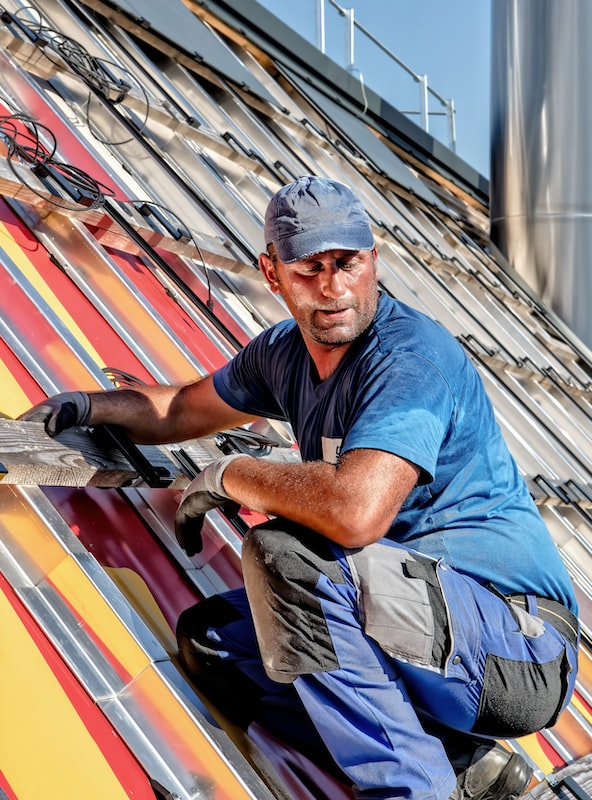
Goede installatie van zonnepanelen is essentieel voor een optimaal rendement. De juiste plaatsing en installatie is cruciaal. Professionals in het bezit van certificering voor het plaatsen van zonnepanelen zijn dus verstandig om te raadplegen. Er zijn ook mensen die zelf aan de slag gaan bij het plaatsen van zonnepanelen, maar dit kan zorgen voor onveilige situaties en lagere opbrengsten.
Eigen bijdrage
Het rendement van panelen ligt niet alleen bij anderen, ook bij jezelf. Zo kun je kiezen voor hoge Wattpiek (Wp) panelen. Ook het zo optimaal benutten van de ruimte kan er voor zorgen dat je meer zonnepanelen kunt plaatsen, waardoor de opbrengst toeneemt. De ligging van zonnepanelen is invloedrijk. Zonnepanelen op schuine daken genereren meer winst, alsook daken die op het zuiden liggen. Laat je hier niet door tegenhouden: zonnepanelen op het oosten of westen genereren alsnog prima opbrengsten!
Geld terug acties
Naast de voordelen van zonnepanelen, wordt de plaatsing ervan bevorderd. Gemeentes hebben energiesubsidies die je kunt raadplegen. Ook het terugvragen van btw behoort vaak tot de mogelijkheden. De hoogte van de teruggave hangt af van de situatie, en kun je terugvinden op de website van de Belastingdienst.
Zoals je ziet zijn er vele manieren om meer opbrengsten uit zonnepanelen te halen. Het valt of staat echter met de aanschaf en plaatsing van de zonnepanelen. De invloed die je zelf hebt is minimaal, maar door de juiste keuzes te maken kun jij jarenlang genieten van hogere opbrengsten en lagere (energie)kosten. En dat allemaal dankzij een paneel en de zon.